Theatre
Choreography and stage movement for theatre
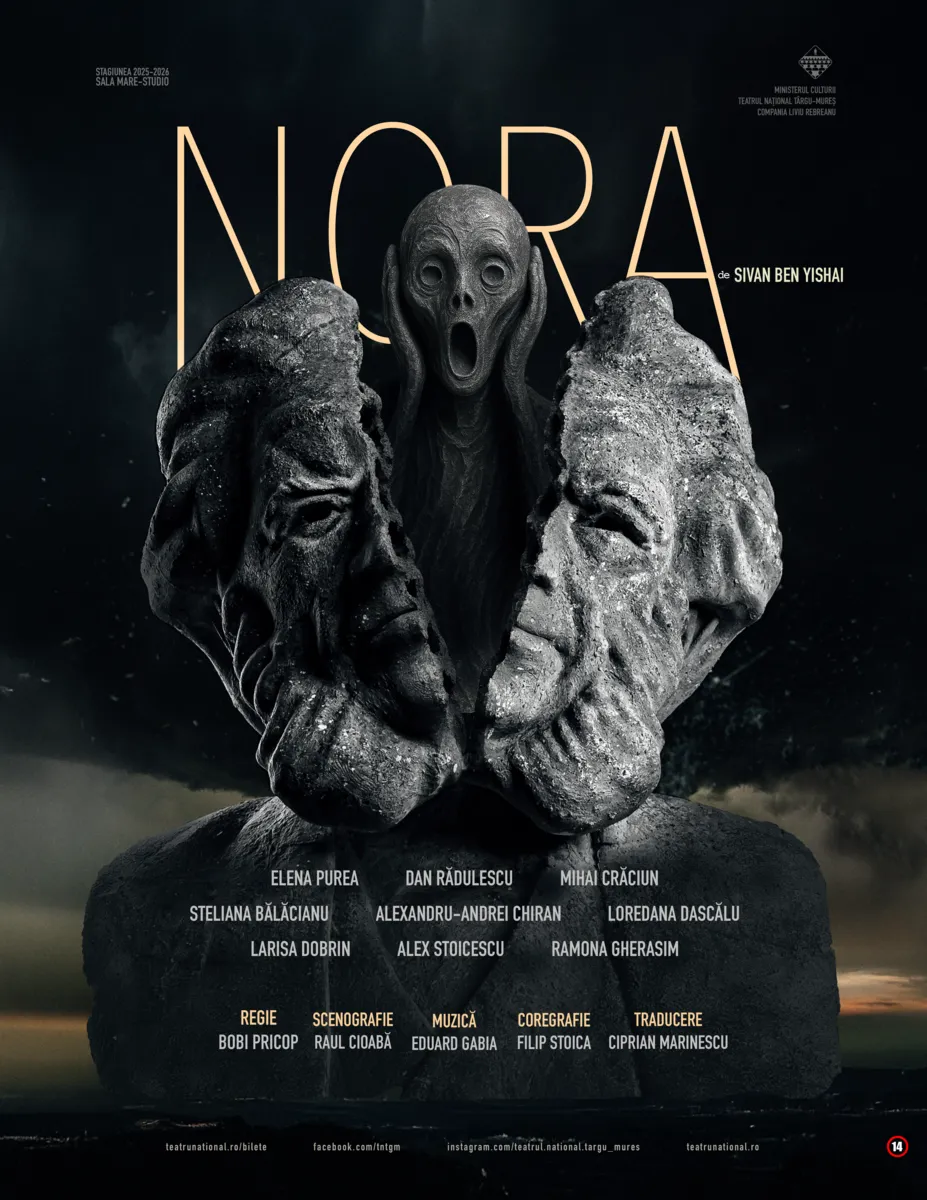
Filip Stoica is a Bucharest choreographer who creates stage movement for directors and theatres — from a single choreographed scene to the whole physical language of a production. Recent work: Nora at the National Theatre Târgu-Mureș, selected for the 2026 National Theatre Festival, and Dincolo de uitare at the Radu Stanca National Theatre Sibiu.
Who it's for
- Directors preparing a new production
- National, municipal and state theatres
- Independent companies and immersive productions
- Musicals and plays with dance scenes
- Drama schools (movement for actors)
Track record
- Nora (dir. Bobi Pricop), National Theatre Târgu-Mureș, 2025 — selected for the National Theatre Festival 2026
- Dincolo de uitare (dir. Cosmin Stănilă), Radu Stanca National Theatre Sibiu, 2026
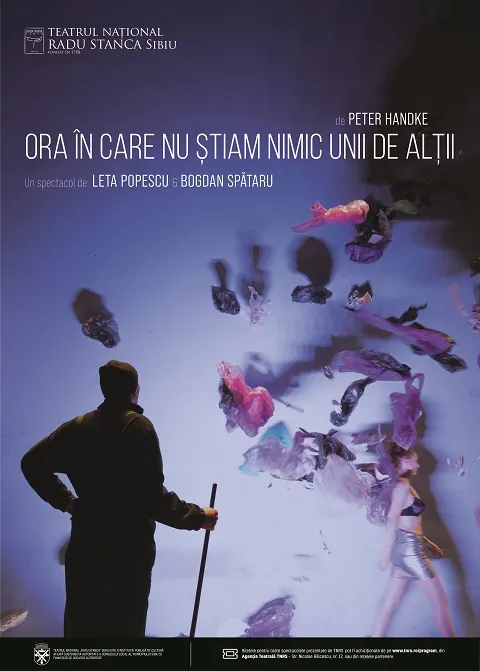
- The Hour We Knew Nothing of Each Other (Peter Handke; dir. Leta Popescu & Bogdan Spătaru), Radu Stanca National Theatre Sibiu, 2023
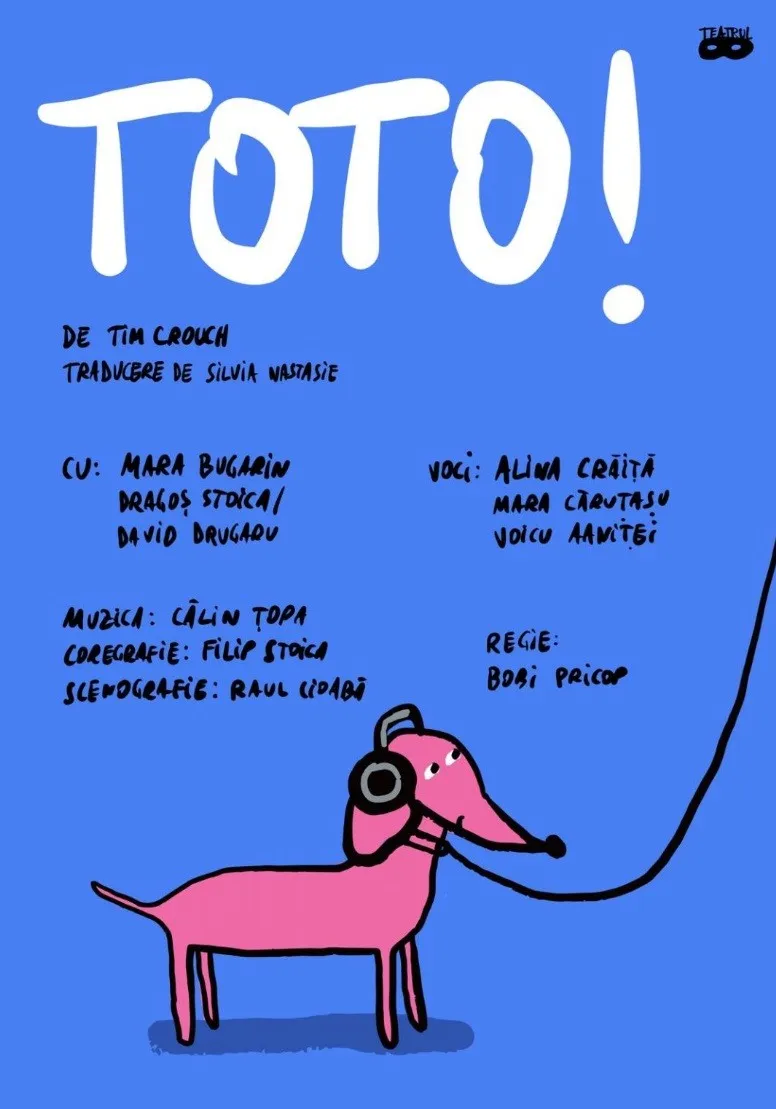
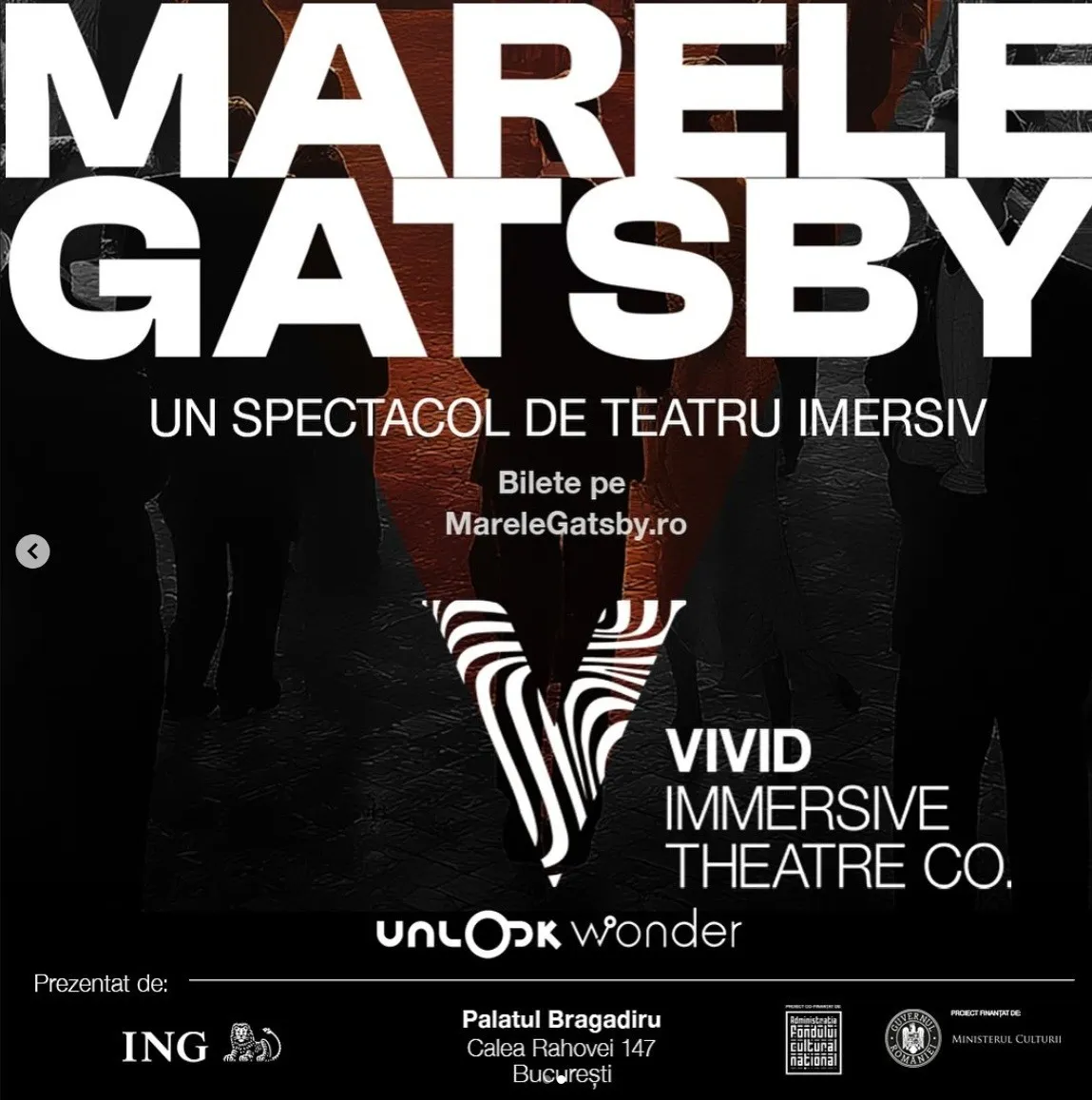
- TOTO! (dir. Bobi Pricop), Teatrul Masca, 2025, and Marele Gatsby, Romania's first large-scale immersive production, 2022
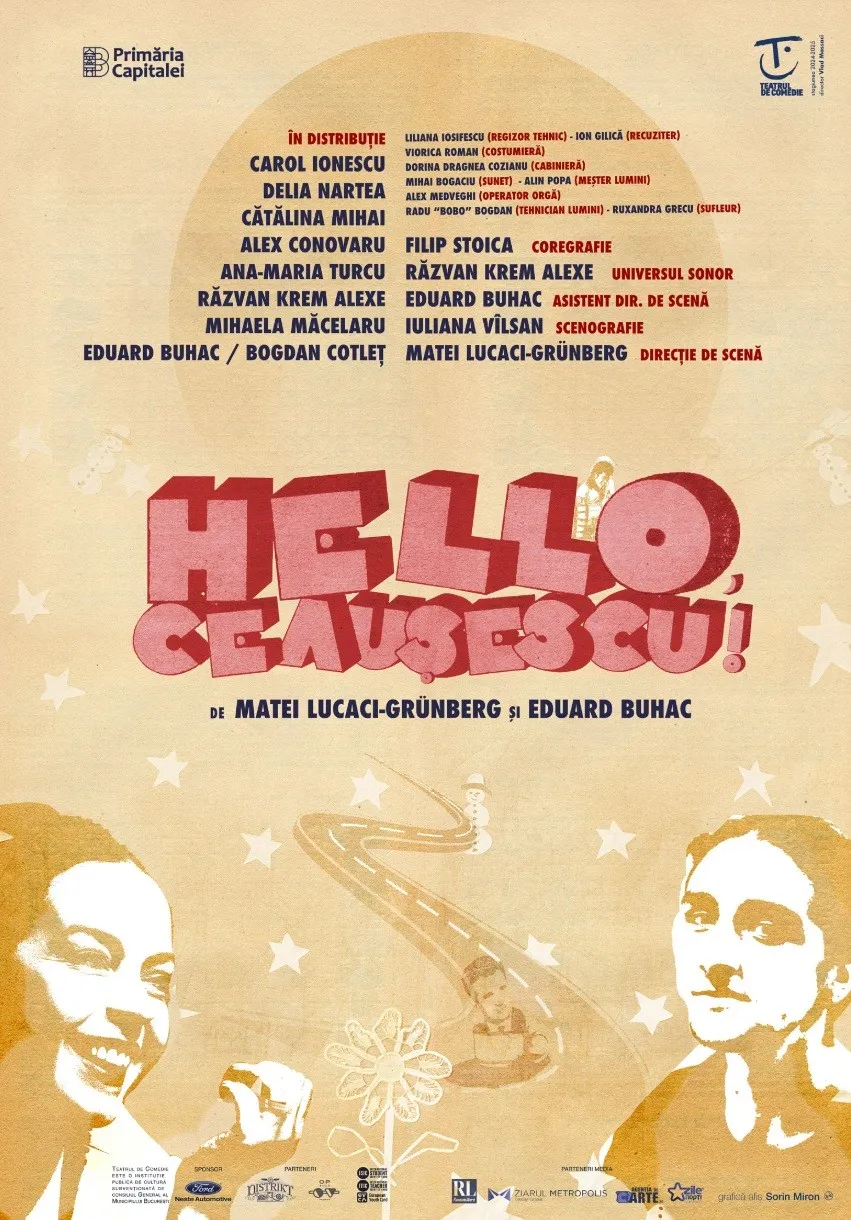
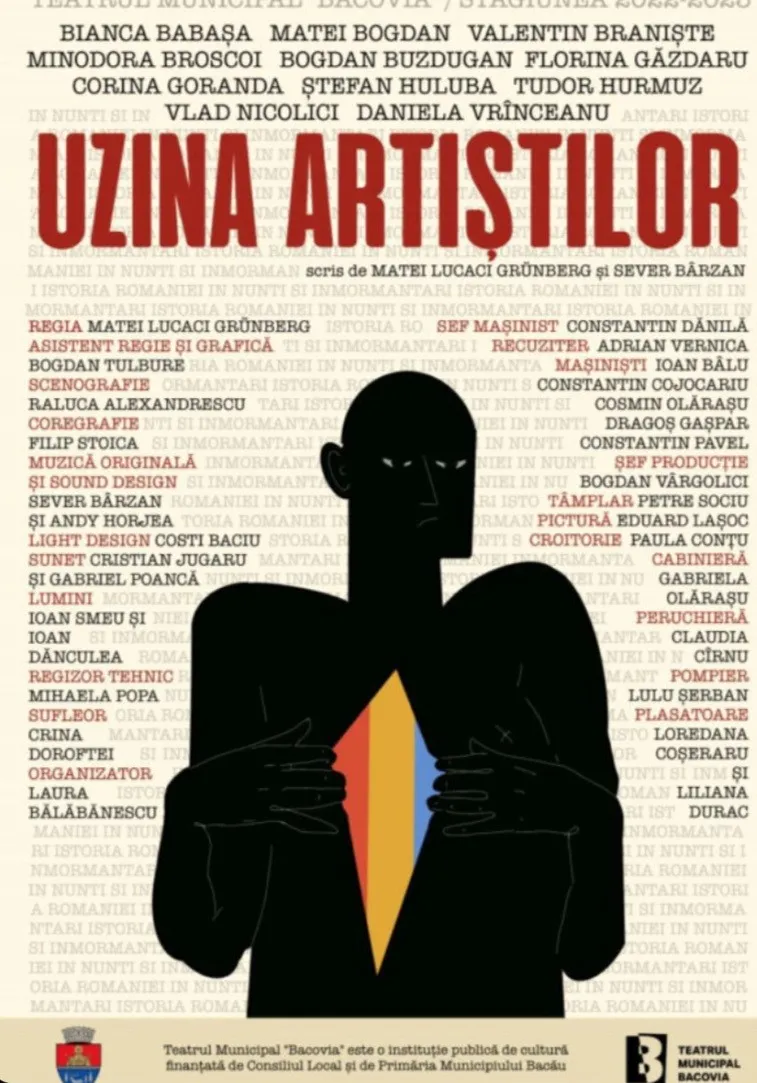
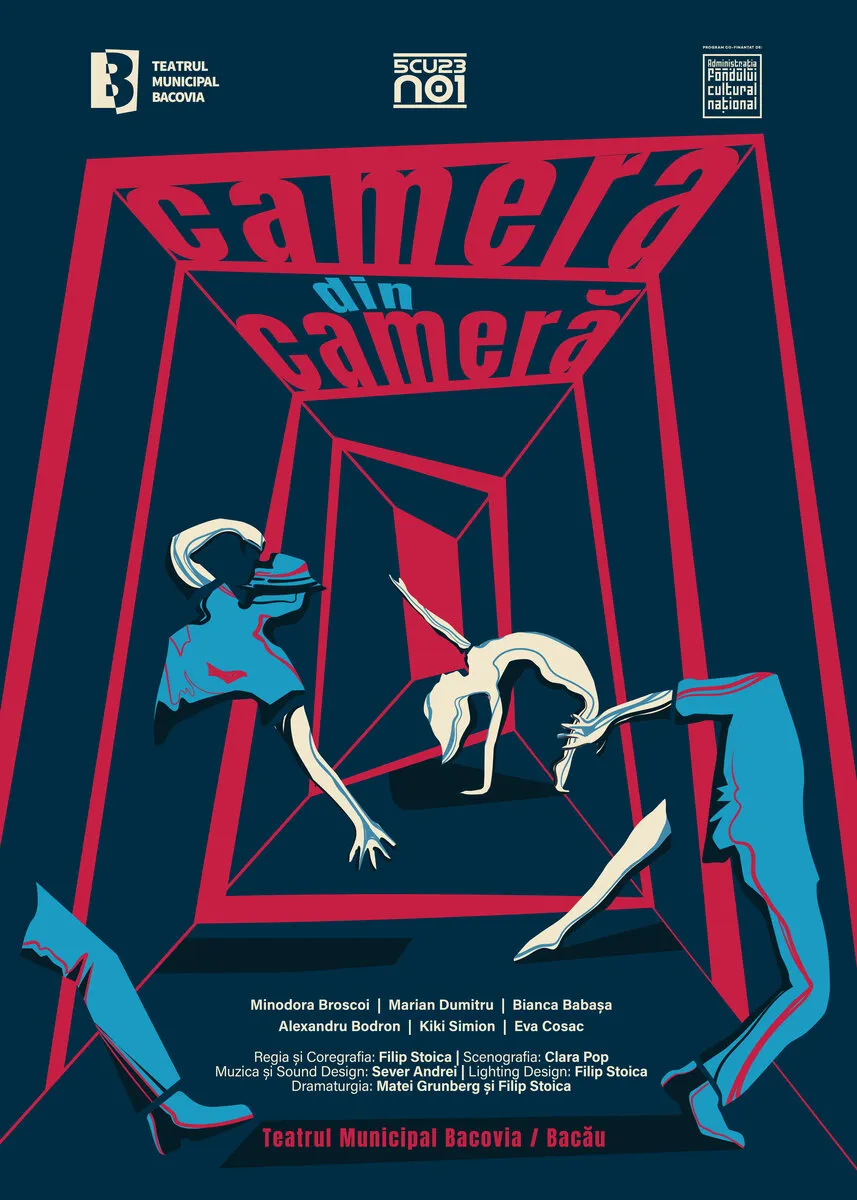
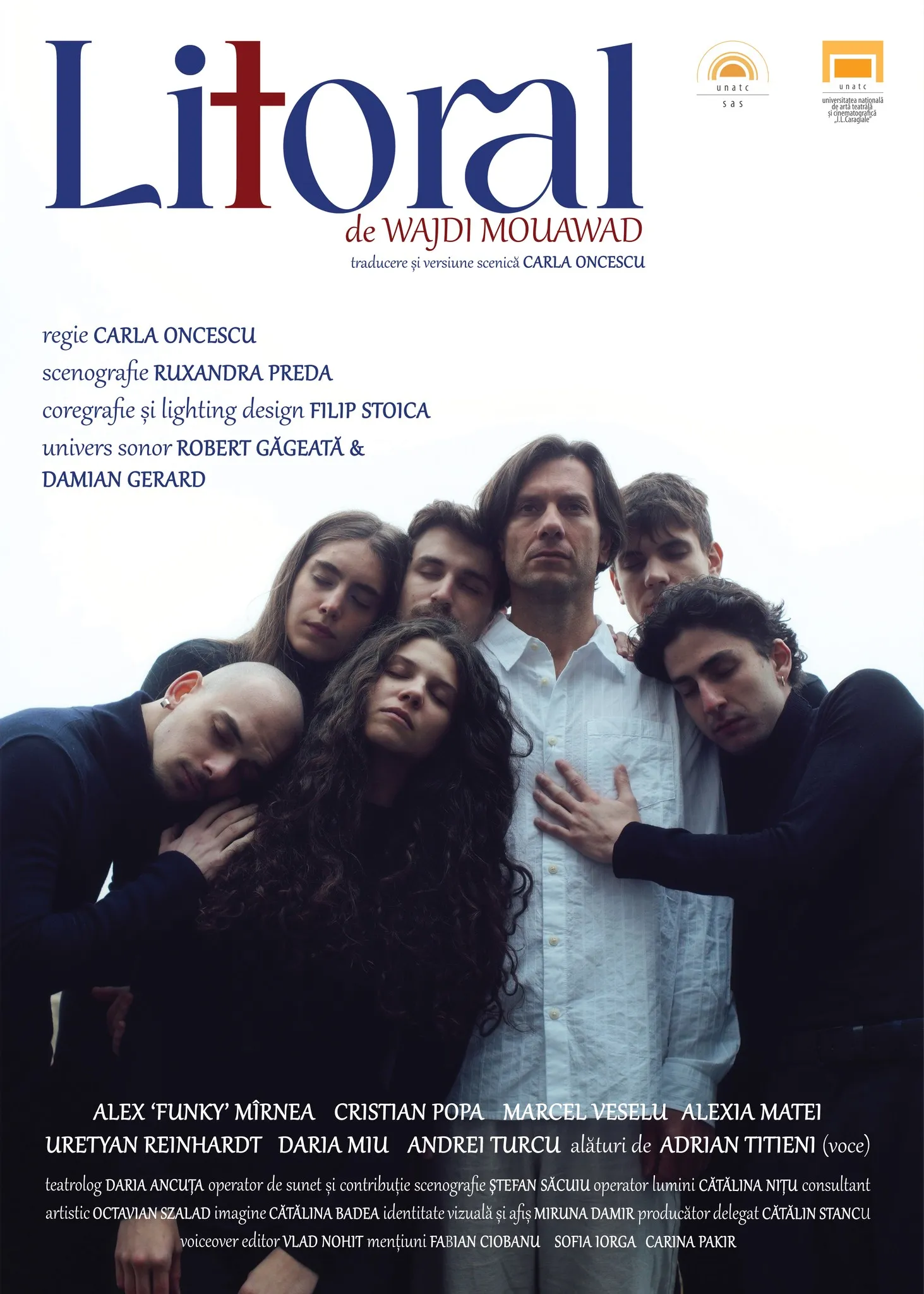
- Also Hello Ceaușescu (CTE), Uzina Artiștilor and Camera din Cameră (Teatrul Municipal Bacovia), Litoral (UNATC)
What is stage movement?
Stage movement is the physical layer of a production: how actors walk, gather, touch, fall and dance, and how the whole cast moves from one image to the next. The person who designs it is credited as choreographer or movement director. In Nora, for example, Filip turned the ensemble into one collective body and built the closing ritual on 1980s house dance.
When should a theatre bring in a choreographer?
At the concept stage if movement carries the meaning — a crowd, a ritual, a non-verbal performance. At the latest before staging begins if the production has dance numbers or a physical finale. A choreographer who joins early uses less rehearsal time than one called in to fix scenes later.
How does Filip work with actors who are not dancers?
He starts from what each actor does well, uses improvisation and real-time composition from his From Street to Studio method, and then sets the result into repeatable material. The Handke production in Sibiu — a non-verbal performance with more than 200 characters — was made this way.
Formats
Stage movement for a production
The movement language of the show: choreographed scenes, ensemble and transition work, and physical coaching for the cast, built on the director's concept.
Choreographed scenes
A dance number, a party, a ritual or a finale — choreographed to the music and the set, and rehearsed with actors who are not dancers.
Choreography and lighting
Movement and light designed by one author, as in Camera din Cameră and Litoral.
Movement workshop for the company
Physical preparation, ensemble work and real-time composition, so the cast starts rehearsals with one shared body language.
Fees: Quoted per production, according to rehearsal weeks, cast size and travel. Theatres usually contract through Asociația Scuze Noi, which invoices.
Questions
Do you work with theatres outside Bucharest?
Yes — recent productions were made in Târgu-Mureș, Sibiu and Bacău. Travel and accommodation are added to the fee.
Can you work on a production in English or with a foreign director?
Yes. Filip rehearses in Romanian and English.